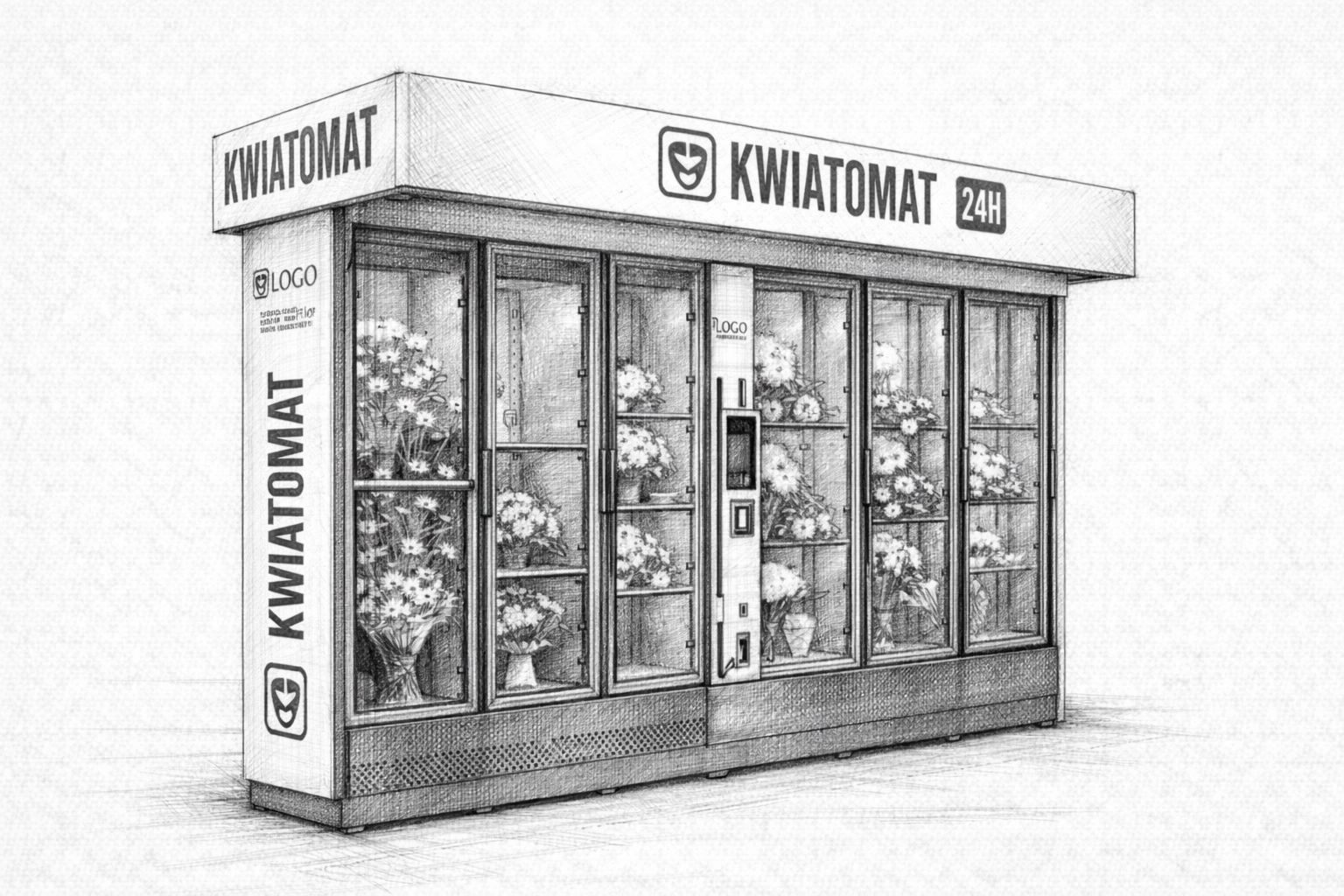
The Future of Flower Sales in Europe — Are Flower Vending Machines the Direction the Industry is Heading?
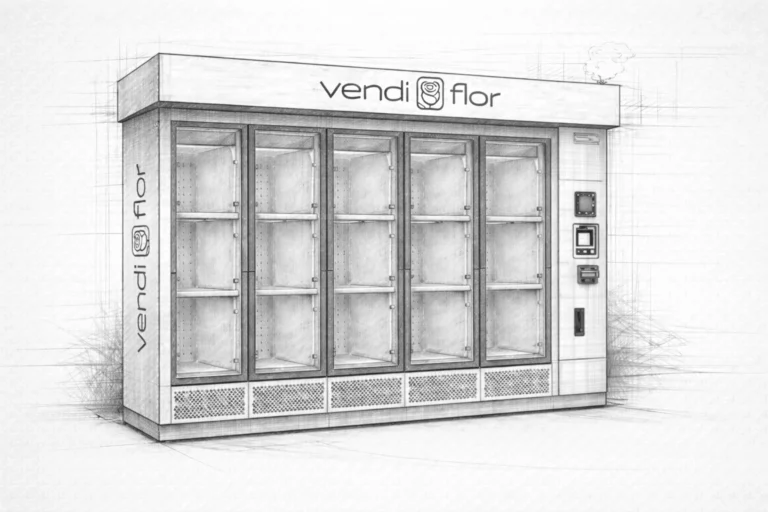
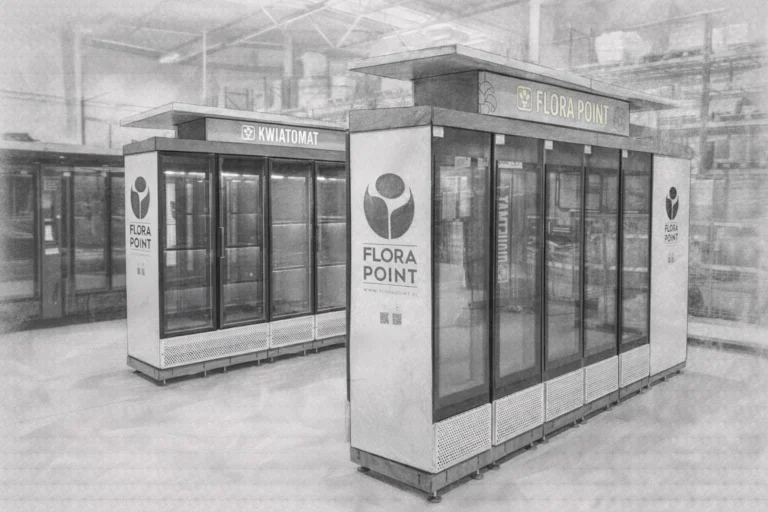
A flower vending machine is a modern automated system that allows customers to purchase fresh flowers 24/7. Equipped with cooling systems, humidity and temperature monitoring, and attractive packaging, these machines offer a fast and convenient way to buy bouquets.
Advantages of flower vending machines in Europe:
Why Are Flower Vending Machines Gaining Attention in Europe?
1. Changing Consumer Lifestyles
European consumers increasingly value convenience and speed. Not everyone has time to visit a flower shop during regular opening hours. Flower vending machines meet the needs of the “grab-and-go” culture, similar to coffee or snack vending machines.
2. Integration with E-commerce
In many European cities, flower vending machines work with mobile apps and online platforms, allowing customers to order online and pick up at a selected location. This expands reach and attracts new customers.
3. Minimizing Waste and Maintaining Quality
Modern cooling and monitoring systems help flowers stay fresh longer, reducing losses and simplifying logistics.
Will Flower Vending Machines Replace Traditional Florists in Europe?
Not entirely. These machines work best for quick, spontaneous purchases but cannot replace the expertise and personalized service of a florist or the creation of unique bouquets for special occasions.
Ideal Scenario for Europe:
Flower vending machines complement traditional sales, reaching customers in city centers, airports, and train stations.
Florists focus on custom orders, event decorations, and premium services.
Trends and the Future of the European Market
Conclusion
Flower vending machines will not entirely replace traditional florists in Europe, but they are a key element in the industry’s future. They meet changing consumer needs, increase sales, reduce costs, and introduce new business models such as franchise networks. For investors and entrepreneurs in Europe, flower vending machines represent a chance to enter a modern and rapidly growing segment of the floral market.